Empowering Lives: The Journey of Cancer Survivorship and the Path to Wellness
Navigating the waters of cancer treatment can often feel like sailing through a storm without a compass. For many cancer patients, the journey begins with an unsettling diagnosis: a malignant tumor, a neoplasm that alters everything known about life and health. So, how does one effectively sail through such tumultuous seas? In this blog, we will explore invaluable insights drawn from oncologists and the often-unseen narratives of survivors, shedding light on the complexities of cancer treatment. Together, we’ll delve into the wealth of cancer resources available and the importance of healthcare professionals in paving the path toward wellness.
Cancer treatment is not a one-size-fits-all approach. Just as every tumor can have a different profile—ranging from how aggressive it is to how it responds to treatment—each patient’s experience is highly individualized. An oncologist once shared, 'The biggest misunderstanding in cancer treatment is that options are limited when, in fact, they are more diverse than ever before.' This underscores the significance of patient education and the ongoing evolution of medical research, as researchers and healthcare professionals strive to discover novel therapies and clinical trials that extend the possibilities of recovery. In an era where personalized medicine reigns supreme, knowledge truly becomes power for cancer patients.
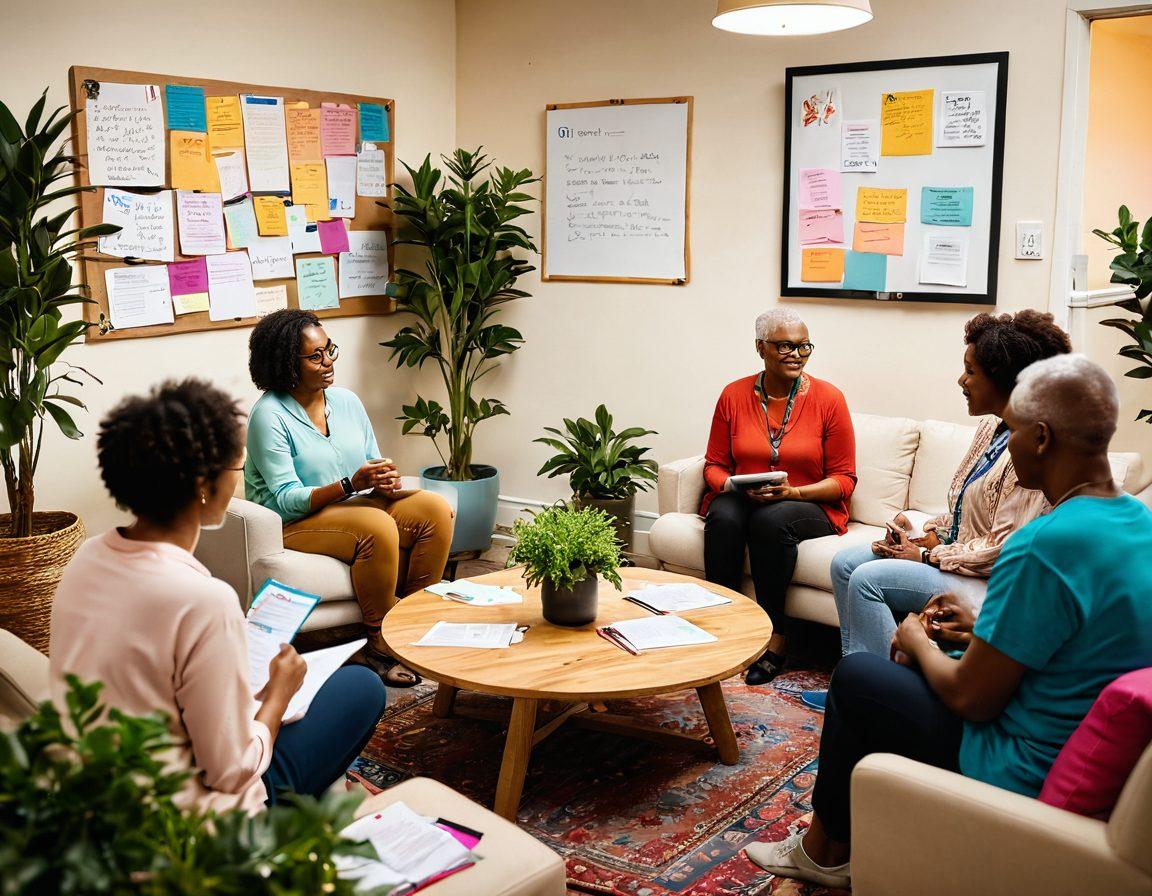
As we take the journey through cancer survivorship, one cannot overlook the critical role of community support. Survivors often recount their personal experiences with little moments of kindness that helped illuminate their darkest days. The power of a simple conversation or a shared smile can transcend the complexities of healthcare. Just ask any survivor, 'How did your support system impact your healing process?' Their stories will likely reveal that wellness isn’t just achieved through treatment; it’s also fostered through connections with others who understand your struggle. For instance, cancer support groups offer not only understanding but also a treasure trove of insights into symptom management and palliative care options.
Furthermore, preventive care remains a focal point in the discussion surrounding cancer awareness. Many may wonder, 'What can I do to reduce my cancer risk?' The answer is both actionable and hopeful. Engaging in regular screenings, a healthy lifestyle, and awareness of family medical history can significantly contribute to reducing one’s risk of developing malignant tumors. Regular check-ups with oncologists ensure that any neoplasm is caught early, maximizing the chances for successful treatment and creating a foundation for long-term well-being. After all, it's easier to navigate the complexities of cancer treatment when embarking on the journey fully informed and prepared.
Lastly, cancer survivorship is not merely about surviving the illness; it's about reclaiming life thereafter. The path to wellness is one of resilience and empowerment, filled with opportunities to share experiences and encourage others. Survivors often share how they’ve transformed their journeys into platforms for cancer awareness, driving home the importance of continuous support systems. As they say, 'What doesn’t kill you makes you stronger,' but it also makes you more compassionate. Through sharing their stories, they inspire new waves of hope for other cancer patients who are starting their journey, fostering a community where healing extends beyond treatment and becomes a shared adventure.
From Malignant to Magnificent: Storytelling and Resources for Empowered Survivorship
Cancer survivors often reflect on their journey as a transformation from malignant to magnificent. If you or a loved one has faced the daunting diagnosis of a tumor, you've likely navigated a complex world of healthcare decisions, emotional roller coasters, and life-altering treatments. But what does it really mean to be a cancer patient? This blog invites you to explore the multifaceted nature of cancer survivorship, where we delve into empowering storytelling and uncover a plethora of resources designed to strengthen your journey towards wellness.
Our story begins in the dimly lit doctor’s office, where heavy breaths intertwine with silence and hope. You hear the words 'malignant tumor,' and in that moment, the world as you know it shifts dramatically beneath your feet. It's a terrifying crossroads, but within this darkness often lies a path to resilience. It's where patient education becomes crucial. Understand your neoplasm, the treatment options available, and the roles that oncologists and medical researchers play in charting the course for your recovery. Each journey is unique, but knowledge equips you to make informed choices and advocate for yourself.
What could be more transformative than learning to turn fear into strength? By embracing your experience as a narrative, you can empower not only yourself but others in the cancer community as well. Think of it this way: your story holds the potential to inspire awareness and motivate action. Perhaps you can jot down pivotal moments from your clinical trials, breakthroughs in symptom management, or even the smallest victories during palliative care. These tales create a tapestry of experiences that fuel hope and resilience in other cancer patients.
Finding community support cannot be overstated. Often, sharing a laugh or a moment of understanding with fellow survivors can lighten even the heaviest burdens. Consider ways to connect with local cancer organizations or online support groups. They offer invaluable resources that can guide you through the intricate landscape of cancer treatment, promote wellness, and enhance your well-being. In these shared experiences, we find comfort; and sometimes, it’s just the conversation we’ve needed to transform our perspective.
As we explore these themes of empowerment and resourcefulness, it’s essential to ask ourselves: how do we define wellness in our lives post-cancer? Is it merely the absence of disease, or is it about achieving a holistic balance of mind and body? By engaging with cancer awareness campaigns, staying informed through health blogs, and participating in preventive care efforts, you not only enhance your lifestyle but also contribute to an environment where cancer survivorship is celebrated. The journey from malignant to magnificent is not just personal; it's a shared odyssey toward a healthier future for all.
Building a Supportive Community: Patient Education and Wellness Strategies for Cancer Survivors
Imagine standing in a room filled with laughter and hope, where stories of survival weave together like an intricate tapestry. This is the essence of building a supportive community for cancer survivors—one that thrives on patient education and wellness strategies. Every person in that room knows the trials of battling a tumor or a malignant neoplasm, yet they also understand the importance of a strong support system. In the journey of cancer survivorship, one question surfaces time and again: how do we create an environment that fosters healing and empowerment?
Building a community that uplifts cancer patients is not simply about sharing stories; it's about understanding the complexities of cancer treatment and the resources available. Every oncologist and healthcare professional has a role to play in this mission. When patients are armed with knowledge about their condition, such as the nature of their tumor, the details of clinical trials, and innovative medical research, they can make informed decisions about their health. This empowerment paves the way for wellness, enabling survivors to navigate their paths with confidence.
What if every cancer survivor had access to tailored wellness strategies? Picture this: a toolkit filled with preventive care tips, symptom management techniques, and palliative care options. By incorporating patient education into cancer resources, we equip individuals to face the challenges of survivorship head-on. As we delve deeper into community support initiatives, the importance of healthcare professionals becomes evident. Their guidance not only helps survivors understand the nuances of their treatment but also fosters a sense of belonging and connection among patients.
There’s a saying in the cancer community: "You are not alone in this fight." Community support creates a space where survivors can share their fears, victories, and day-to-day experiences, ultimately helping to alleviate feelings of isolation that often come with a cancer diagnosis. Engaging in support groups not only transforms the survivorship experience but also nurtures friendships that last a lifetime. In a world that often views cancer as a solitary journey, it’s vital to remember that through compassion and connection, we can collectively conquer the effects of cancer.
In conclusion, the journey of cancer survivorship is a powerful testament to human resilience. By emphasizing patient education, forging robust support networks, and advocating for comprehensive wellness strategies, we can ensure that each survivor feels valued and empowered. The path to wellness is illuminated by understanding, shared experiences, and unwavering support. So, let’s come together—let’s build a community where every cancer patient knows they are part of something bigger, and each story of survival becomes a beacon of hope for others.